Rich in Culture and History
a site steeped in history
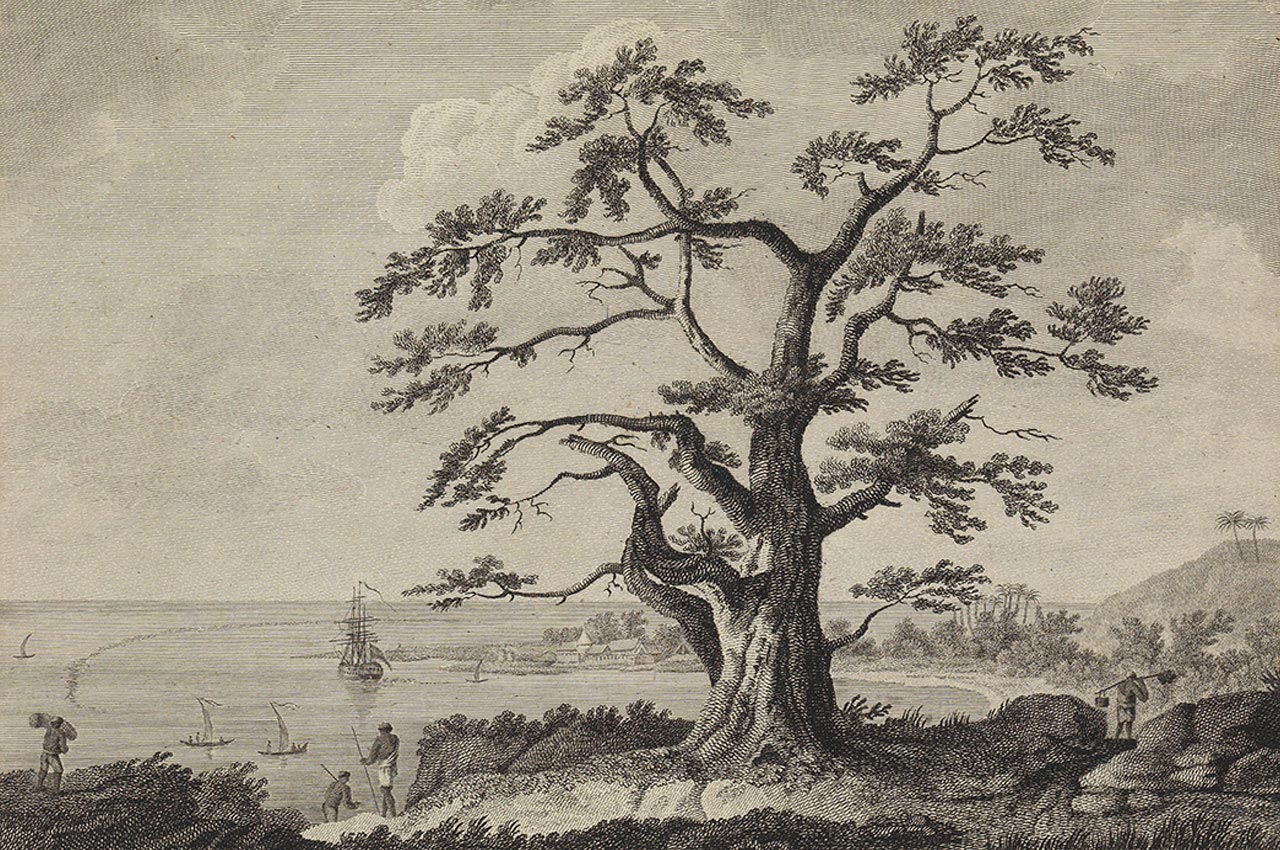
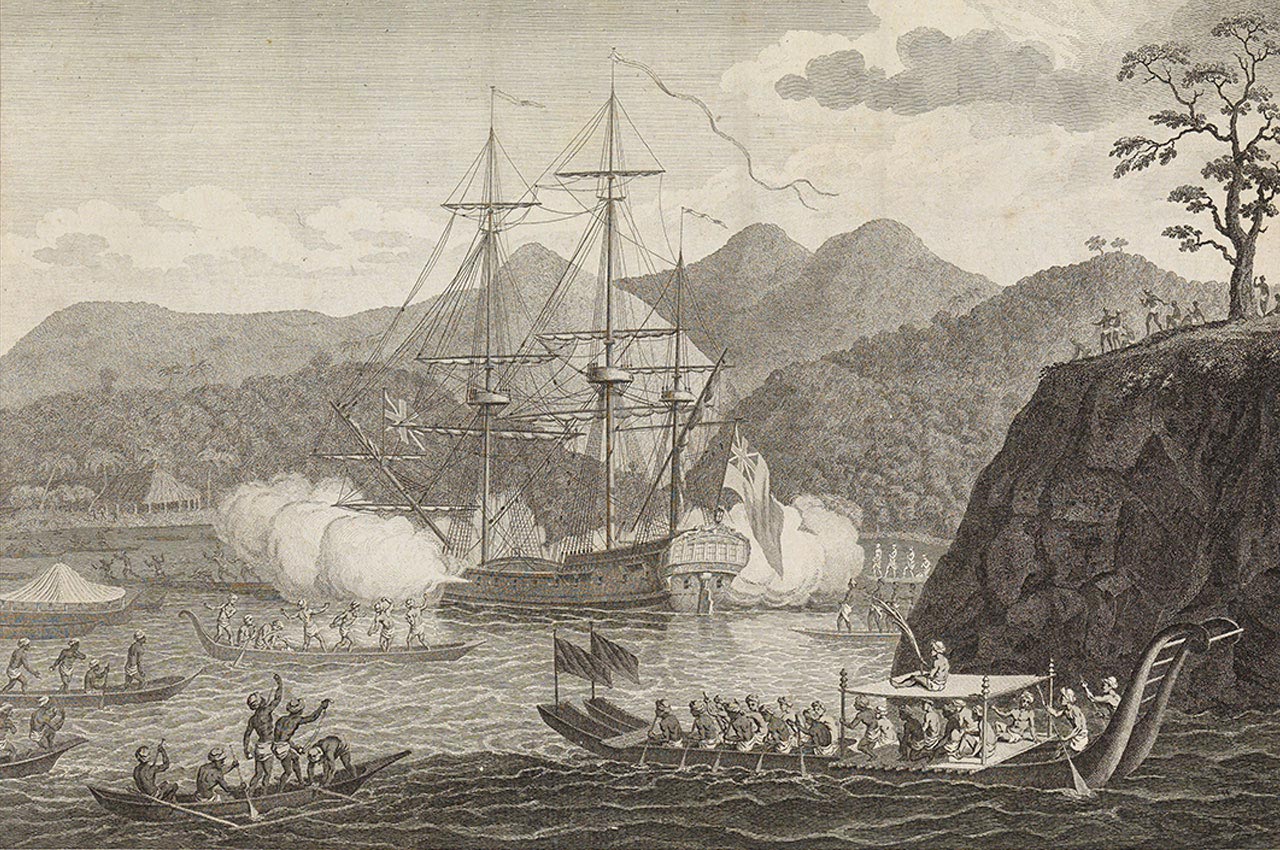
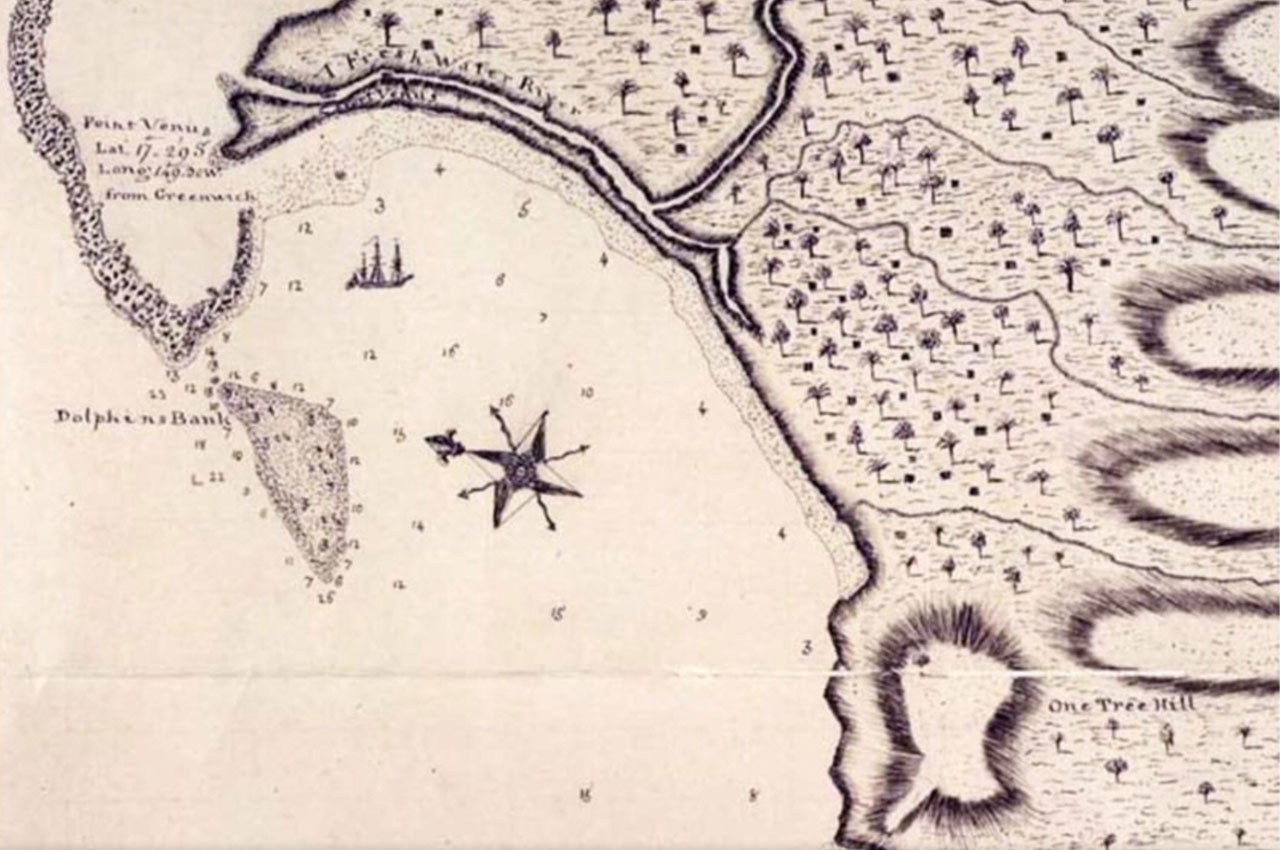
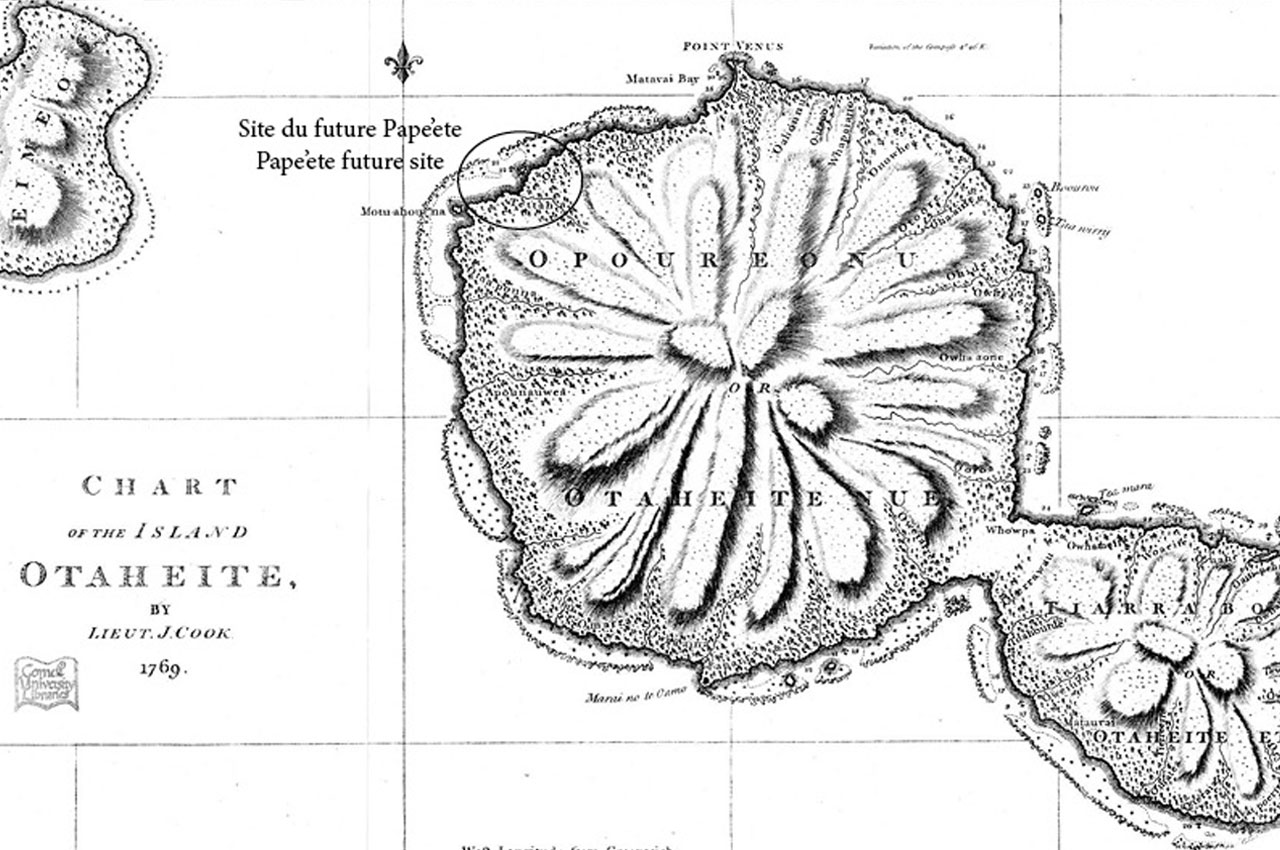
Piha’apape is a site steeped in history and overlooks perhaps the most famous bay in the whole of Polynesia. It overlooks the historic Matavai Bay where Captain James Cook and Captain Samuel Wallis anchored for the first time in the 18th century.
Long before the arrival of the Europeans in the late 18th century, Piha’apape and the Tahara’a headland were a strategic lookout, and a place of legend.
Tahitian culture has an oral tradition with many legends about the Tahara’a headland and its significance for the local people.
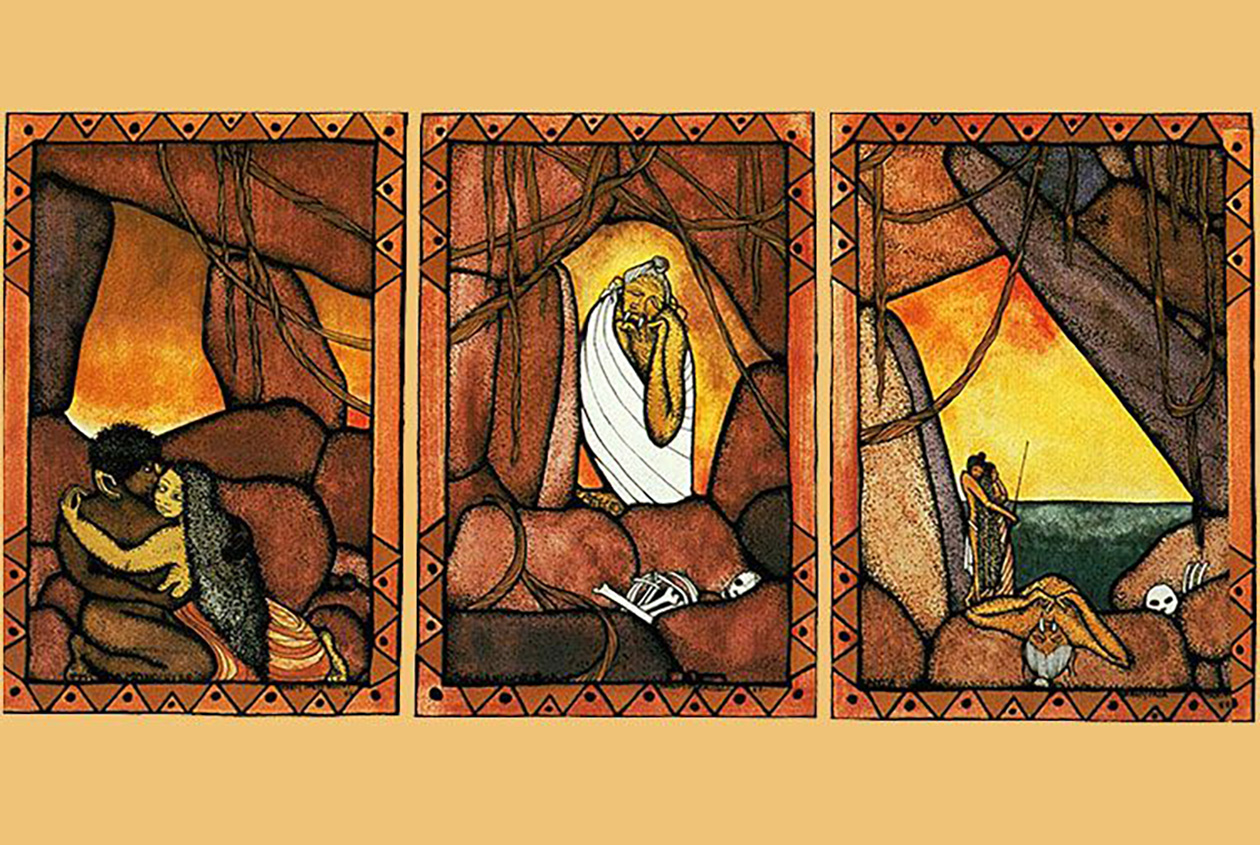
Nona the high born princess who developed a taste for human flesh and was known to linger in the caves at the foot of the cliff to ambush her unsuspecting victims. Tafa’i the great navigator who is known throughout Polynesia, from the Tuamotus to Hawaii and all over the Pacific, Tafa’i, Tafaki, Kaha’i and many other names, he grew up in the Matavai bay area using the Tahara’a as his landmark for home. Ha’apape (Mahina) district has been a higher learning centre since ancient times.
Piha’apape, the lookout for the Tahitians who first spotted the incredible canoe with no outrigger, was dubbed One Tree Hill by the early European explorers, from Capt Wallis and Capt Cook, through the mutiny on the Bounty that saw Fletcher Christian and his shipmates take control of the famous vessel.
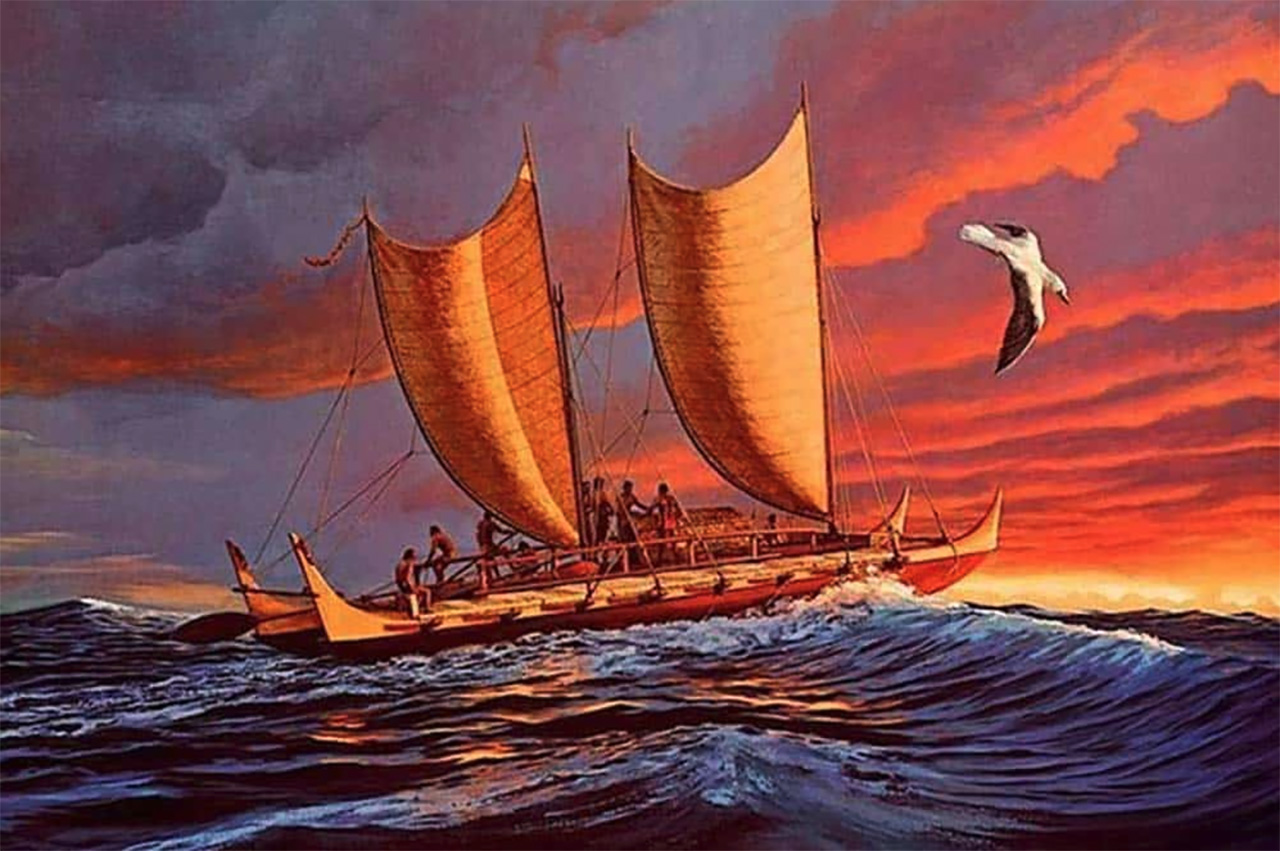
In more recent history Matavai Bay is better known as the safe harbour for the famous Hokulea, the voyaging canoe that started the renaissance for the ancestral navigation techinques using the stars as a compass and reading the natural indicators of the weather patterns that enabled them to settle the Pacific millennia ago.
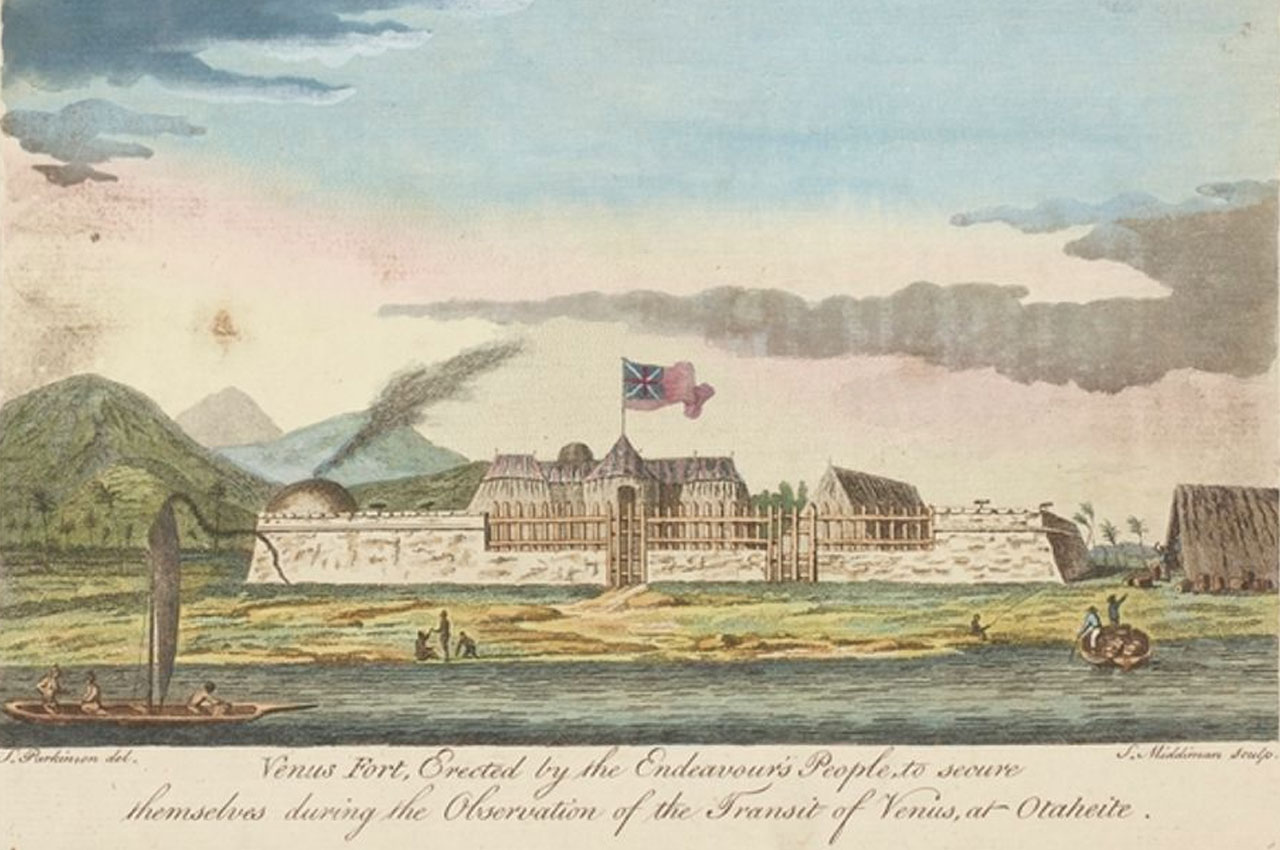
With a view across the bay to Point Venus we can see where Capt. Cook first measured the transit of the planet Venus as it crossed the face of the sun in 1769.
It seems only natural that the successive voyages of the European explorers would see Matavai bay as a haven, with abundant opportunities for trade and it was the commercial hub for the first 50 years of European visitors, who were always welcome to pay a premium.